Once upon a time, testing a product meant organizing full-day sessions in physical locations, managing complex logistics, and often dealing with long, expensive processes. These were typically reserved for big brands with proper infrastructure and hefty budgets. But today, product tests have become much more agile, accessible, and digital. Thanks to online market research platforms, it’s now possible to collect feedback quickly, involve consumers in authentic environments, and get highly detailed, qualitative insights.
And yet, the core principle remains the same: understand how people experience, perceive, and react to a product before its official launch.
Let’s break it down 👇
Let’s start from the basics. Think of product testing as a kind of “dress rehearsal” before the big market debut! It’s a method used in market research to get an early read on how consumers will react: what they like, what works, and what needs improvement — whether it’s the concept, look, usability, or functionality.
Product testing can happen at any point in the product lifecycle:
Product testing dates back to the 1940s and 1950s, emerging alongside the birth of modern marketing. Back then, big consumer brands tested new food, cosmetic, and household products in labs or through focus groups, collecting first impressions in highly controlled environments.
By the 1980s and 1990s, the methods evolved:
Then came the digital and mobile boom — and things changed dramatically.
Today, you can run fully online, multi-country qualitative research that gathers deep insights in less time and with highly targeted audiences.
The contexts of application are many: one can test a product before launch to validate its potential, during development to make iterations and corrections on the run, or even after launch to gather feedback useful for continuous improvement or international expansion. The industries that use it the most are food & beverage, cosmetics, consumer electronics and household products-but product testing is also increasingly present in the world of digital services, including apps.
Concept testing involves presenting an idea for a product — through images, mockups, videos, or simple text descriptions — and collecting feedback. It helps answer questions like:
Packaging is often the first thing that grabs a customer’s attention — and influences buying decisions. To evaluate its impact, you can use:
Product tests aren’t just about functionality or design — they’re also great tools for sharpening your brand positioning. With targeted testing, you can:
Product testing is not only for perfecting design and functionality, but also for better positioning the brand in the market. Through targeted testing, in fact, it is possible to:

Product testing is a valuable tool for refining not only product features, but also positioning, communication, and user experience.
In summary, the main benefits are:
Thanks to digital platforms, it is now possible to observe people's reactions in a natural and in-depth way, without the typical barriers of physical and artificial contexts.
But what does this mean in concrete terms?
With a qualitative online approach, participants can test a product directly at home, in their own daily life context. Through tools such as digital diaries, videos, and guided tasks, it is possible to gather authentic feedback, spontaneous emotions, and reflections that go beyond simple “likes/dislikes.”
These tests prove particularly effective at all stages of the product development process: from concept evaluation to fine tuning before launch, offering insights that guide concrete decisions.
In addition, the use of online qualitative research platforms also enables more dynamic collaboration among different internal stakeholders: marketing, R&D, design, and product management can access insights in real time, comment on them, share them, and translate them into immediate action.
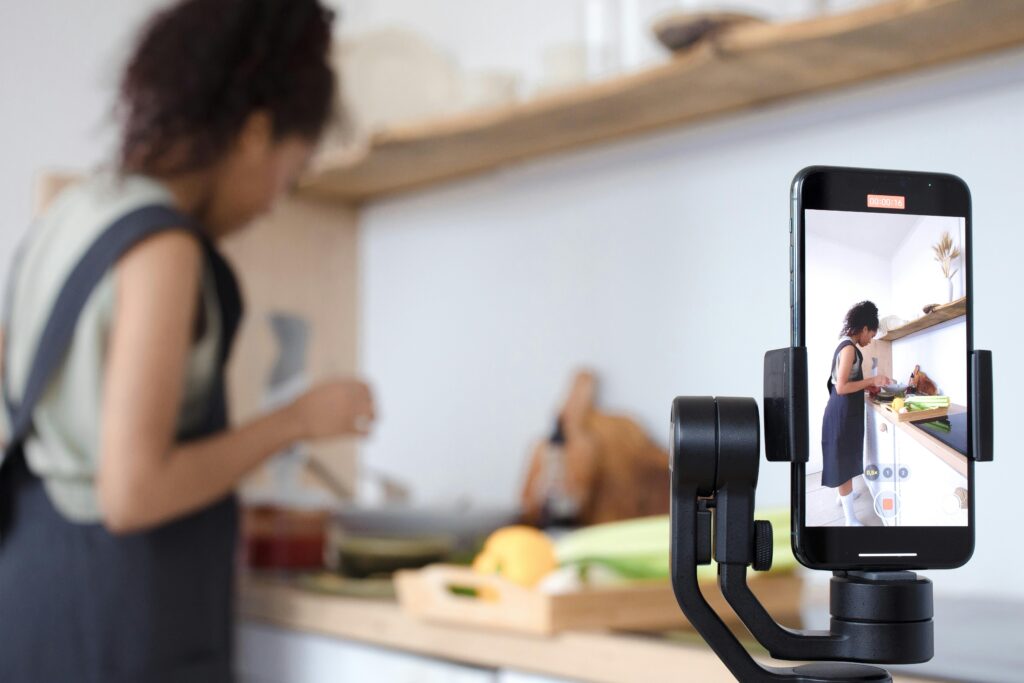
With Sicché, you can run tailored product tests using features like:
In Conclusion…
Product testing isn’t just a box to tick — it’s one of the most creative and exciting stages of product development. So why not equip yourself with the best market research tools?
At Sicché, we’re here to help you design and run smarter, more effective product tests.